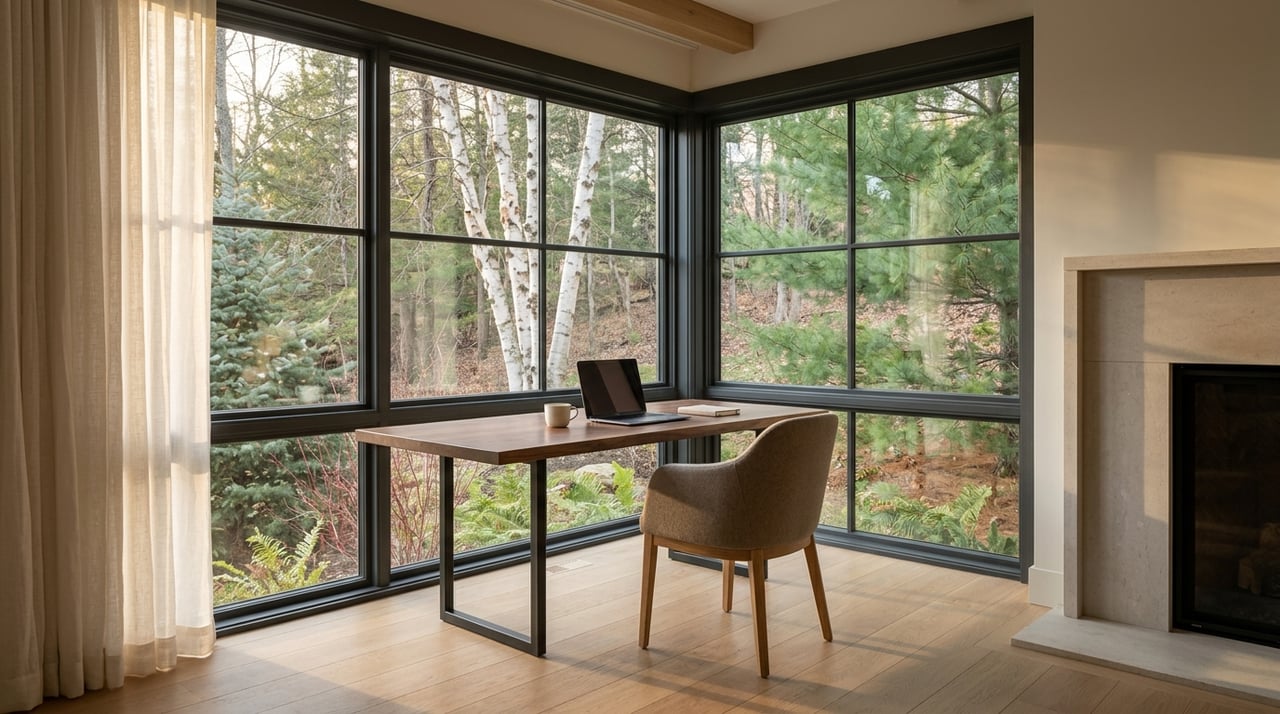
Is A Lake Superior Retreat Right For You? Duluth And Two Harbors Guide
Dreaming about a place by Lake Superior is easy. Deciding whether that dream fits your real life is the harder part. If you are weighing a second home, a future retreat, or a full-time move in Duluth, Two Harbors, or along the North Shore, this guide will help you think through the lifestyle, housing options, and ownership details that matter most. Let’s dive in.
The Lake Superior corridor offers something you do not find in many Minnesota markets: a mix of city convenience, small-town pace, and dramatic shoreline access in one region. Duluth anchors the area with an estimated 2024 population of 87,986, while Two Harbors is much smaller at about 3,745 residents.
For many Twin Cities buyers, that balance is the appeal. Duluth is about 150 miles north of Minneapolis and St. Paul on I-35, and Two Harbors sits roughly 26 miles northeast of Duluth. That makes the area realistic for weekend use, seasonal stays, or a lifestyle shift if you want more connection to the lake.
The setting is a major part of the draw. Duluth is known for the nearly 8-mile Lakewalk, skyline views, wooded trails, and lake-adjacent districts, while the North Shore Scenic Drive adds the classic pine, cliff, and water backdrop many buyers picture when they imagine a retreat.
If you want a retreat feel without giving up daily amenities, Duluth may be the better fit. The city combines restaurants, arts, breweries, parks, trails, and airport access with a broad range of housing types.
Visit Duluth highlights nearly 30 neighborhoods, including areas like Park Point, Canal Park, Kenwood, Lincoln Park, Duluth Heights, Chester Park-UMD, Lakeside-Lester Park, North Shore, and Woodland. Each area brings a different balance of access, views, and day-to-day convenience, which is why location choice matters as much as the home itself.
Duluth also has a large outdoor footprint. Local visitor and parks materials point to 9,168 acres of parks and natural areas and 178 miles of wooded trails, which helps explain why many buyers see it as more than just a city on the lake.
Two Harbors tends to appeal to buyers who want a quieter setting and a more obvious getaway atmosphere. It is smaller, tourism-oriented, and closely tied to the North Shore experience.
If your ideal property feels like a place to unplug, this part of the corridor may check more boxes. The drive along Highway 61, nearby access to destinations like Split Rock Lighthouse and Gooseberry Falls State Park, and the slower pace all shape the ownership experience.
The farther you move into the North Shore corridor, the more the lifestyle starts to feel centered on scenery, outdoor access, and seasonal rhythm. That can be a real advantage if your goal is a retreat that feels distinct from everyday city life.
At the same time, the tradeoff is usually convenience. Services, inventory mix, and access can differ from what you may be used to in the Twin Cities, so it helps to define whether you want a true getaway, a flexible second home, or a property that can support more frequent use.
Current inventory sources show a wide range of options across the region. In Duluth, buyers are likely to find single-family homes, condos, multi-family properties, and waterfront homes.
In Two Harbors, listings tend to include single-family homes, condos, waterfront homes, and cabin-style or lakefront retreat properties. That makes it helpful to think about your search in three broad categories.
If you plan to spend a lot of time in the property, an in-town home may offer the easiest ownership experience. You may have simpler access to services, less isolation in winter, and a layout that works better for everyday life rather than vacation-only use.
This option can make sense if you are considering a future full-time move, a rightsizing plan, or a second home that may eventually become your primary residence. It can also be a smart fit if you want lake access nearby without taking on all the added complexity that can come with direct shoreline ownership.
For some buyers, a condo is the best way to enjoy the area without taking on full exterior upkeep. That can be especially appealing if you live in the Twin Cities and want a property that is easier to lock and leave.
A condo may also be worth considering if your goal is to simplify your next chapter. If you want less maintenance, easier travel, and more time to enjoy the lake lifestyle, this category can offer a practical middle ground.
If the dream is tied to views, shoreline, or a cabin-like setting, waterfront and retreat-style homes may be what you are really after. These properties often deliver the strongest emotional pull and the most memorable setting.
They also require the most careful due diligence. In this market, the beauty of the property is only one part of the decision.
If you are looking at lakefront or near-shore property, local rules matter. Lake County says shoreland includes land within 1,000 feet of a lake or flowage, 300 feet of a river or stream, and the North Shore Management Zone.
That matters because shoreland parcels may come with additional standards related to setbacks, vegetation retention, lot width, septic review, and permit requirements. The Minnesota DNR notes that shoreland standards are implemented through local ordinances, so the exact rules depend on where the property is located.
In practical terms, you want to understand more than the view line and lot size. You also want clarity on what can be changed, what must be preserved, and what future improvements may require review.
A Lake Superior retreat can be beautiful in every season, but it helps to go in with open eyes. NOAA climate normals for Duluth show a mean annual temperature of 40.6°F, a January average high and low of 24.7°F and 9.6°F, a July average high and low of 77.7°F and 56.2°F, and about 90.2 inches of annual snowfall.
Winter is not necessarily a deal-breaker, but it is part of the ownership equation. The National Weather Service explains that lake-effect snow develops when cold, dry air moves over relatively warm lake water, and North Shore conditions can change quickly.
Even summer can feel different here. Minnesota Historical Society materials for Split Rock Lighthouse note that North Shore weather can be unpredictable and cooler even in summer, so buyers should expect a true lake-influenced climate rather than typical inland conditions.
Topography is especially important in Duluth. The city notes that its hillside slopes steeply toward Lake Superior and the St. Louis River, and that shallow or exposed bedrock plus clay soils can increase runoff and ponding.
For you as a buyer, that can affect driveways, drainage, snowmelt, landscaping, and basement performance. A bluff-top setting or steep site may offer stunning views, but it can also come with more maintenance and planning than a flatter property.
Many buyers wonder whether a retreat property can offset costs through part-time rental use. In this region, that question should be answered early, not after closing.
St. Louis County requires a permit for short-term rentals of homes, cabins, or condos rented nightly or weekly for less than 30 days in county-administered areas. Duluth has its own permit categories and caps, while Lake County has a separate vacation-rental start-up guide and permit process.
Lake County also notes that septic systems are inspected at sale or at specified intervals, and vacation-rental homes can trigger additional inspection requirements. If rental flexibility matters to you, the exact property location is critical.
The best Lake Superior property is not always the one with the most dramatic setting. It is the one that fits how you want to live, travel, maintain, and use the home over time.
You may be a strong fit for this region if you want:
You may want to pause and plan more carefully if you are unsure about:
If you are shopping from Minneapolis or the western suburbs, it helps to be clear about your real goal before you tour homes. Are you looking for a true retreat, a lock-and-leave condo, a lakefront legacy property, or a place that could support rightsizing later on?
That clarity shapes everything from location to maintenance level to long-term value. A beautiful home on Lake Superior can be an incredible fit, but the right match depends on whether the property supports your lifestyle in every season, not just on a perfect summer weekend.
If you are considering a Lake Superior retreat and want a thoughtful, strategy-first perspective on fit, location, and long-term use, Cari Ann Carter Group can help you explore the options with clarity.

Beyond Real Estate: A Broader Vision for Home

How Strategic Marketing, Luxury Positioning, and Expert Representation Helped This Home Sell for $255,000 More Than Its Previous List Price
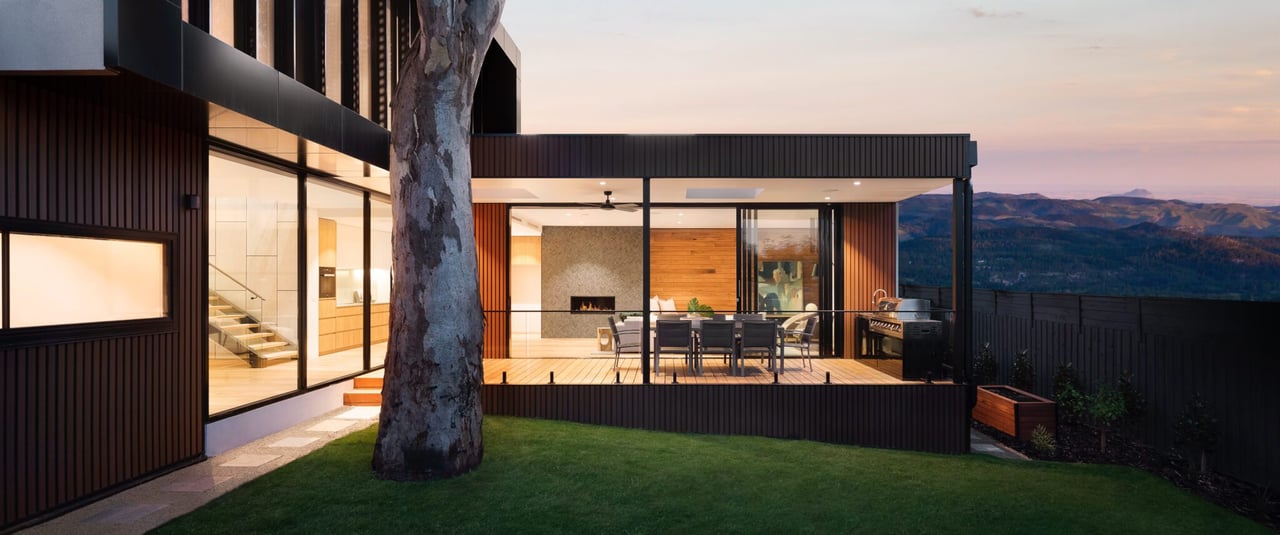
Luxury Living in the Black Hills of South Dakota

As Featured in Twin Cities Real Producers — Cari Ann Carter on Rightsizing, Life Transitions, and Helping Clients Build the Next Chapter of Their Lives

Celebrating Women, Leadership, and Community in Real Estate

Inside a Layered Wellness Ritual Designed to Support Circulation and Relaxation

Expert insights on interest rates, inventory, AI disruption, and why local real estate expertise still drives better results in today’s market
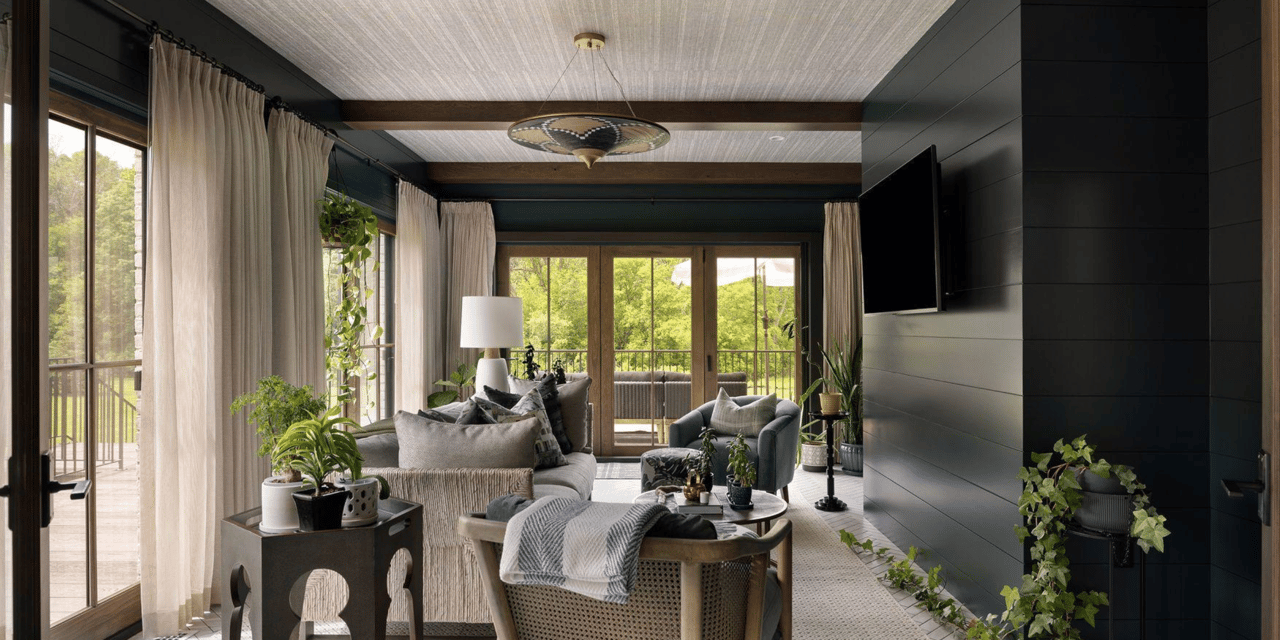
Exclusive Look at a Newly Listed Wayzata Luxury Estate with Nearly 10,000 Sq Ft, Resort-Style Amenities, and a Showcase at Twin Cities Real Producers
Cari Ann and her team deliver a stress-free and seamless process to help you through your next life transition. Whatever that might be.
4999 France Ave S Ste 250 Minneapolis MN 55410