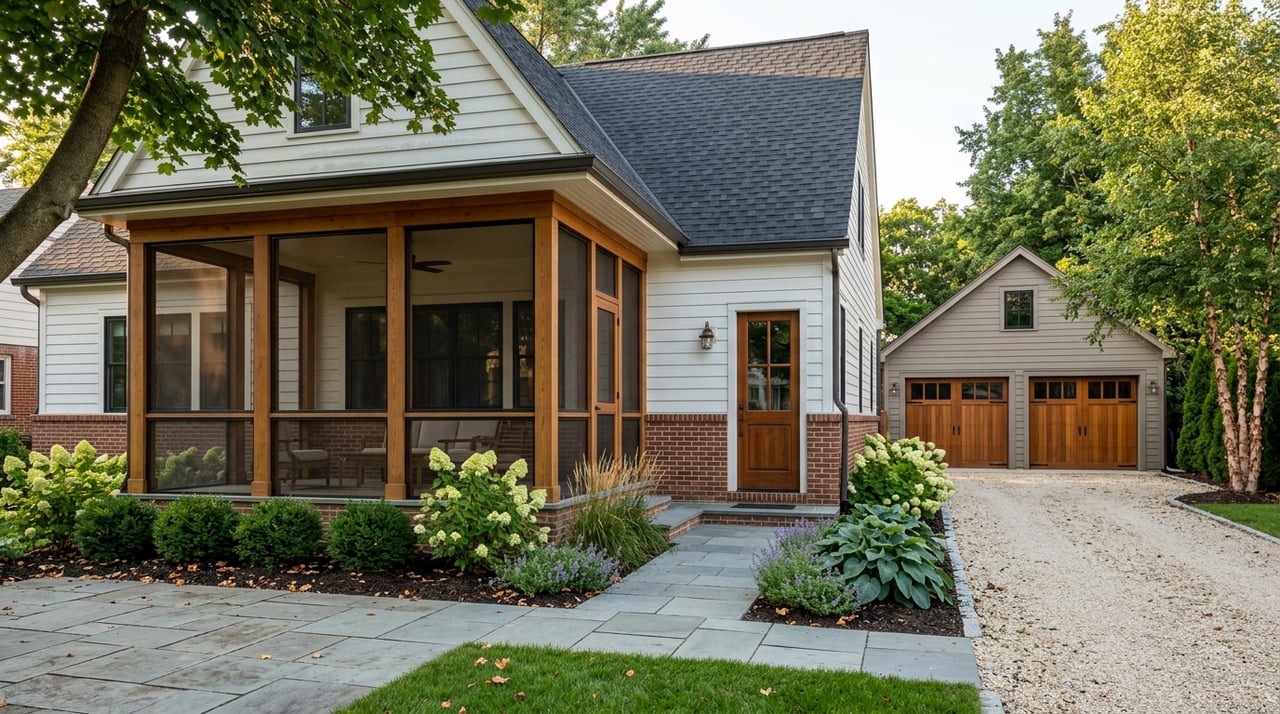
From Day Trip To Daily Life: What It’s Like To Live In Stillwater
Ever spend a day in Stillwater and wonder what it would feel like if that river-town charm were part of your regular routine instead of a once-in-a-while outing? If you are thinking about a move and want more than postcard appeal, Stillwater deserves a closer look. From housing and neighborhood character to trails, downtown logistics, and year-round activities, here is what daily life in Stillwater really looks like. Let’s dive in.
Stillwater may be known as a destination, but the numbers point to an established residential community. The city has about 19,354 residents, 8,078 households, and a high owner-occupancy rate of 76.7%. That creates a more settled feel than you might expect from a place that draws visitors to its downtown and riverfront.
The city also has a median household income of $105,853 and an average commute of 20.1 minutes. Those details suggest a place where many people put down roots and build their routines close to home. If you are looking for a community that feels lived in rather than seasonal, Stillwater checks that box.
The biggest shift from day-trip Stillwater to everyday Stillwater is simple: the river becomes part of how you live. The St. Croix National Scenic Riverway supports paddling, boating, fishing, camping, hiking, and access to historic towns along the corridor. In Stillwater, that means outdoor time is not a special event. It is built into the week.
The Stillwater Lift Bridge plays a big role in that lifestyle. Since vehicular traffic moved to the St. Croix Crossing in 2017, the Lift Bridge has been converted to pedestrian and bicycle use. That gives the city a strong walk-and-bike connection that is both scenic and practical.
Brown’s Creek State Trail adds to that everyday ease. The 5.9-mile trail is generally level and accessible, and it links downtown Stillwater to the Gateway State Trail and the St. Croix National Scenic Riverway. If you like the idea of fitting in a bike ride, walk, or run without a big production, this is one of Stillwater’s most appealing features.
Stillwater is not just a warm-weather town. The city’s parks and amenities support year-round use, which matters if you are trying to picture your life here in February as much as in July. Local amenities include winter skating rinks, pickleball courts, a skate park, a community garden, a dog park, trails, and cross-country skiing in the Brown’s Creek Nature Preserve area.
Water access is also part of the local setup. The municipal boat dock has 16 slips, including four overnight slips, which adds another layer to the city’s connection to the St. Croix. Even if you are not a boat owner, that kind of infrastructure reinforces how central the river is to community life.
Lowell Park helps anchor the social side of the calendar. Its Summer Tuesdays program brings together music, movies, and a market on summer evenings. For many residents, that is what makes Stillwater feel different. Public spaces are not only attractive, they are actively used.
If you love places with a strong sense of identity, Stillwater has that in a very visible way. Downtown includes the city’s only locally designated historic district, the Downtown Commercial Historic District, which is also listed on the National Register. Landmarks highlighted in local walking tours include Lowell Park, the Lift Bridge, the Freight House, the Washington County Courthouse, the Lowell Inn, and other lumber-era sites.
But Stillwater is not only a historic downtown. The city’s neighborhood history program divides Stillwater into 16 neighborhoods, including areas such as North Hill Original Town and South Hill Original Town. That gives the city layers, with a preserved downtown core, established residential streets, and a broader community fabric that extends beyond the tourist-facing blocks.
The city also uses a Neighborhood Conservation District for residential areas. Through design guidelines, Stillwater works to preserve traditional neighborhood character, discourage unnecessary demolition, and review new infill for compatibility. For you as a buyer or homeowner, that can mean the city’s visual identity is being managed with long-term continuity in mind.
Stillwater’s housing market sits above the statewide price level. In March 2026, Redfin reported a median sale price of $479,000 in Stillwater compared with $354,500 statewide. Zillow’s April 2026 average home value for Stillwater was $450,923, with homes going pending in about 25 days.
Those figures suggest a market where demand remains solid and buyers should be prepared to move with intention. They also reinforce that Stillwater is not simply a casual weekend destination. It is a community where many buyers are choosing to invest in a long-term lifestyle.
For homeowners thinking about a move, this is where local strategy matters. In a city with historic housing stock, established neighborhoods, and some newer construction that is expected to fit its surroundings, presentation and positioning can make a meaningful difference.
One reason Stillwater feels different from some newer suburbs is that growth is planned carefully. The city’s comprehensive plan, completed in 2018, guides development through 2040 and is tied to planning in neighboring communities. That coordinated approach helps explain why change here can feel more measured and context-aware.
In practical terms, you may see a mix of preserved older homes, traditional neighborhood streets, and select new construction. The key theme is compatibility. Stillwater allows evolution, but it tends to expect new development to work with the character already in place.
For buyers, that can be reassuring if you value a sense of continuity. For sellers, it supports the idea that neighborhood character is an asset worth understanding and highlighting.
A lot of people know downtown Stillwater as a place to shop, dine, and take in river views. The city’s tourism information points to Historic Downtown Main Street, restaurants, antique shops, boutique shops, and tours. What matters for daily life, though, is whether downtown works when you live nearby.
The answer is yes, with a little local know-how. Parking is organized with free 90-minute parking in the downtown core, free 4-hour parking west of Main Street, paid on-street and lot parking between Main Street and the river, and a paid ramp one block west of Main. Once you know the system, downtown access becomes more manageable for errands, meals, events, and meeting friends.
That usability is part of Stillwater’s appeal. You get the energy of an active downtown, but the city has also put structure around how people move through it. For residents, that often makes the difference between a downtown you admire and a downtown you actually use.
Stillwater’s appeal is not limited to scenery. The city is served by Stillwater Area Public Schools, which serves more than 8,000 students across 18 communities and includes seven elementary schools, two middle schools, and one high school. The district is also the oldest in Minnesota.
The public library adds another layer to everyday life. It offers free programs for all ages, along with local-history archives and the St. Croix Collection for research, photos, maps, clippings, and building histories. If you are drawn to places with strong civic resources, this is part of what gives Stillwater depth.
The Washington County Historic Courthouse does the same in a different way. It is the longest standing courthouse in Minnesota and now operates as a county park with guided and self-guided tours, family activities, and public programming. That kind of civic presence helps the city feel active and grounded, not just picturesque.
Stillwater can appeal to several types of buyers. If you are relocating and want a city with a distinctive identity, strong outdoor access, and a more rooted residential feel, it offers a lot to consider. If you are rightsizing and want a place where lifestyle matters as much as square footage, the combination of walkability, history, and daily amenities can be especially attractive.
It can also be a fit if you want more character than a typical suburban setting offers. With its riverfront setting, preserved architecture, and four-season recreational options, Stillwater supports a lifestyle that feels both active and established. The key is deciding whether that rhythm matches how you want to live now.
If Stillwater is on your shortlist, it helps to look past the first impression and think through your actual routine. Consider how often you want downtown access, whether trail connectivity matters to you, and what kind of home style and neighborhood context fit your next chapter. In a market with historic areas, conservation-minded planning, and pricing above the state average, clarity matters.
That is especially true if you are comparing renovate-versus-move options, relocating from another part of the metro, or trying to balance charm with practicality. Stillwater offers a distinctive lifestyle, but the best move is the one that supports how you want to live every day, not just where you want to spend a Saturday.
If you are exploring Stillwater and want a thoughtful, strategic perspective on what fits your life stage, the team at Cari Ann Carter Group can help you evaluate the market, neighborhood feel, and home options with clarity and confidence.
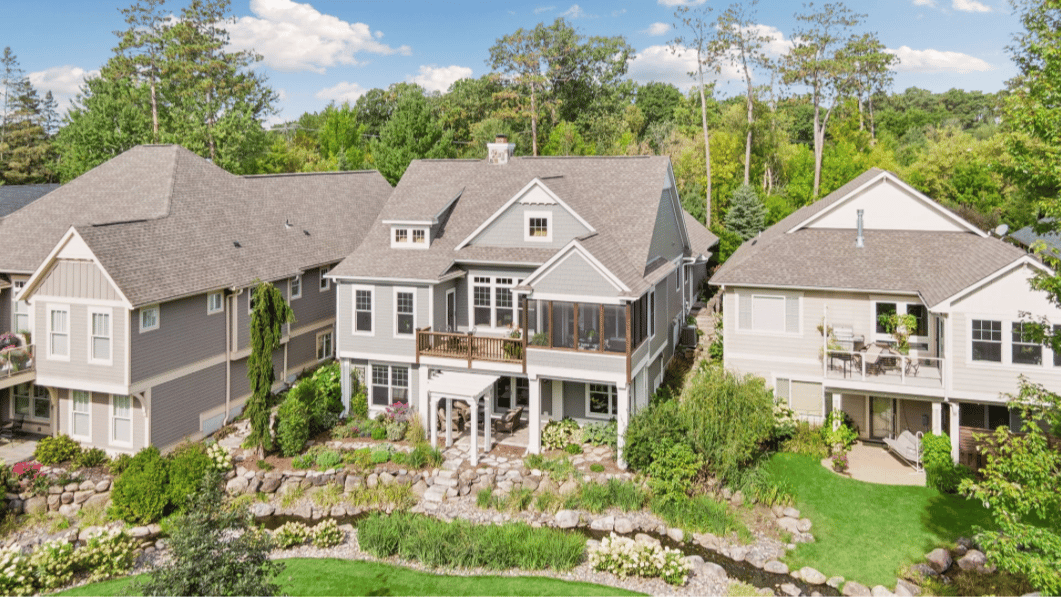
Explore 3726 Planting Green, a beautifully crafted Liberty on the Lake home with creek views, a main-floor primary suite, screen porch, stone fireplaces and easy acces… Read more

Minneapolis
Discover Minneapolis’s premier neighborhood guide by the Cari Ann Carter Group—from award-winning dining to luxury condo living.
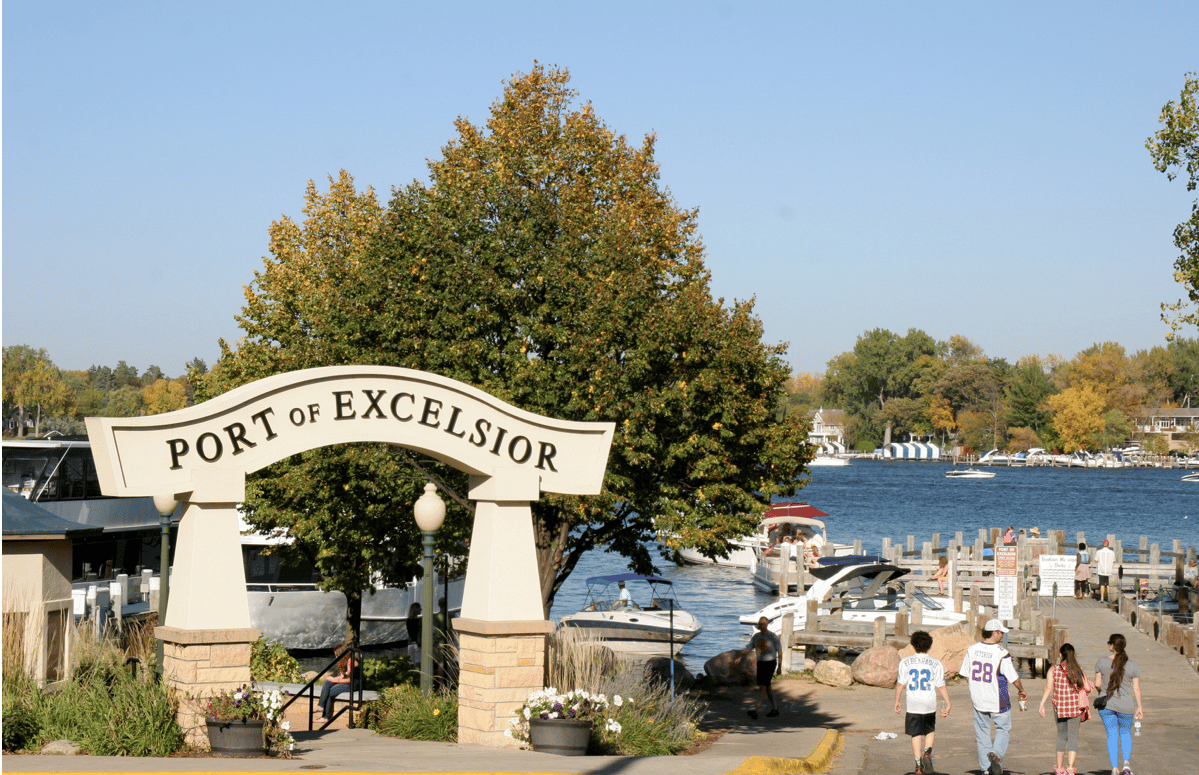
Excelsior, MN Real Estate Guide: Living, Dining, & Homes for Sale on Lake Minnetonka

Discover the top 11 family-friendly September events and fall festivals in Minneapolis, St. Paul, and surrounding Twin Cities suburbs. Exact dates, times, and neighbor… Read more
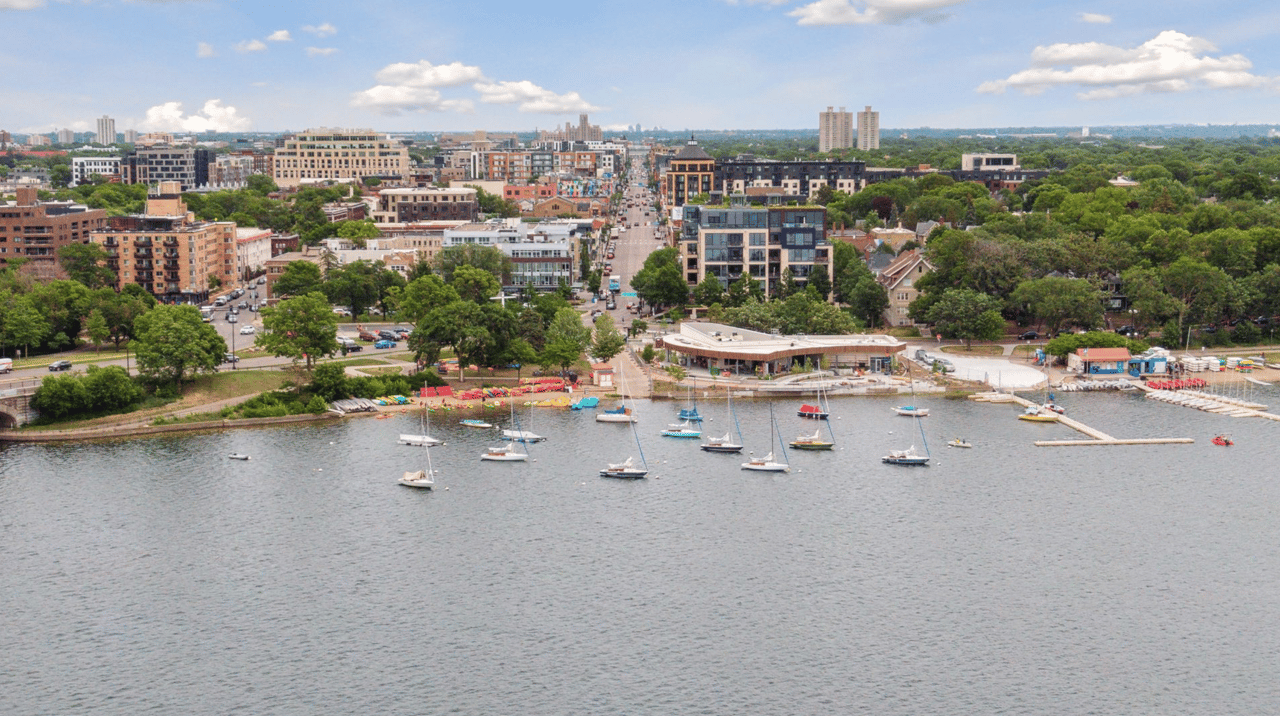
Discover why Linden Hills, Minneapolis is one of the top-searched neighborhoods in the Twin Cities! Real estate expert Cari Ann Carter shares local favorites, Lake Har… Read more
From an Edina Open House to Labor Day on the Lake: A Minnesota Dream Home Story
Finding a home that strikes the perfect balance between secluded privacy and everyday convenience is rare in the Twin Cities east metro real estate market.

Cari Ann and her team deliver a stress-free and seamless process to help you through your next life transition. Whatever that might be.
4999 France Ave S Ste 250 Minneapolis MN 55410