By Cari Ann Carter Group
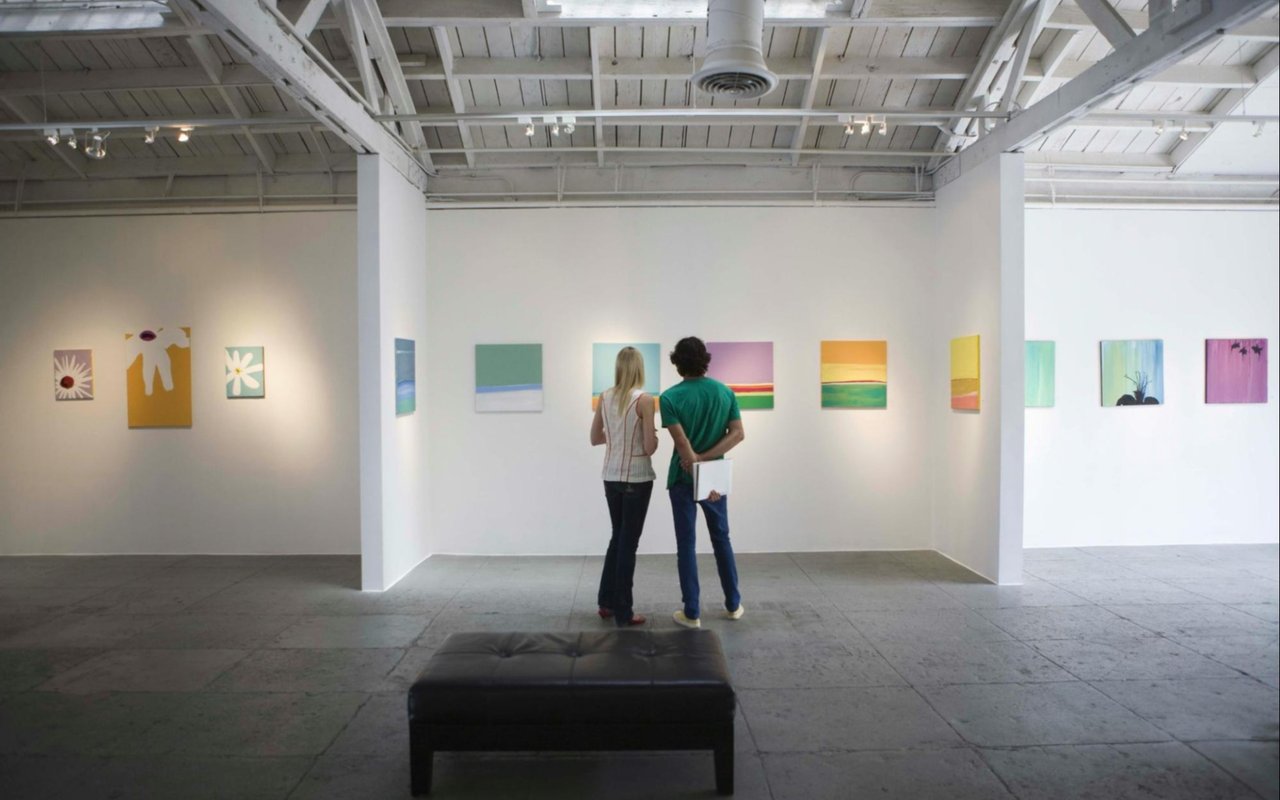
One of the things we love about living and working in the Twin Cities is how seriously this place takes the arts. The cultural infrastructure here is genuinely remarkable for a metro area of this size — world-class museums, a theater scene second only to New York City in live seats per capita, public art woven into the streets and parks, and a music legacy that runs from Prince to the Minnesota Orchestra. Whether you are a longtime resident looking for something new or someone who has just moved here and is still discovering what the city offers, this guide covers the spots and experiences worth knowing.
Key Takeaways
- The Twin Cities rank second in the country in live theater seats per capita — this is one of America's great theater cities
- The Minneapolis Institute of Art (Mia) offers free admission year-round and houses 90,000 works spanning 5,000 years
- Northeast Minneapolis has become one of the most active arts districts in the Midwest, anchored by Art-A-Whirl and a dense network of working studios
- St. Paul contributes its own distinct arts institutions, including the Minnesota Museum of American Art and a growing number of cultural centers serving the city's diverse communities
The Major Museums
Minneapolis Institute of Art (Mia)
Mia sits in the heart of Minneapolis and offers one of the most compelling free museum experiences in the country. The collection spans 90,000 works across 6,000 years and six continents — African art, Asian decorative arts, American painting, European masters, photography, and textiles all share space in a building that is itself worth the visit. Monthly Sunday Family Days give families a structured way into the collection through hands-on activities, and the in-house café is a reliable stop before or after. Free admission, every day.
Walker Art Center
The Walker occupies a category of its own in the Twin Cities arts landscape. Its focus is contemporary art across visual work, film, performance, and design, and its programming consistently brings international artists and ideas to Minneapolis before they reach most of the country. Current exhibitions run through summer and fall 2026, and the Walker's Free Thursday Nights program makes the museum accessible on a regular basis for anyone who wants to visit without planning ahead. The adjacent Minneapolis Sculpture Garden features the iconic Spoonbridge and Cherry — one of the most photographed works of public art in the region — and remains open daily. The Walker's Cardamom restaurant, overlooking the Sculpture Garden, offers a menu rooted in North African and Mediterranean flavors.
Weisman Art Museum
Designed by Frank Gehry and perched along the Mississippi River on the University of Minnesota campus, the Weisman is a visual landmark before you step inside. The museum offers free admission and focuses on American art with a strong representation of work connected to the Upper Midwest. The building itself — all stainless steel and geometric angles — has become one of the defining pieces of architecture in the Twin Cities.
American Swedish Institute
The ASI occupies a historic mansion in South Minneapolis and combines museum programming with cultural education centered on Scandinavian heritage and contemporary Nordic design. It is one of the more distinctive institutions in the city — simultaneously a history museum, a design gallery, and a community gathering place. The in-house restaurant, Fika, is one of the better lunch spots in the neighborhood.
The Museum of Russian Art (TMORA)
Housed in a former Spanish Mission-style church in South Minneapolis, TMORA holds a collection of paintings, historical photography, prints, lacquerwork, porcelain, and decorative objects spanning several centuries of Russian and Soviet history. It is one of those institutions that surprises visitors who stumble across it — more substantial and more visually arresting than its modest exterior suggests.
The Theater Scene
The Twin Cities theater community is not a secondary version of what happens in larger cities. It is a primary destination for serious theatergoers and for companies developing new work.
The Guthrie Theater
The Guthrie is the anchor of the Minneapolis theater scene and one of the most respected regional theaters in the country. Situated in a striking building in the Mill District, overlooking the Mississippi, it programs a full season of classical, contemporary, and world premiere productions across three stages. The building's cantilevered bridge — extending out over the river with panoramic views — is worth visiting on its own.
Hennepin Theatre District
The Hennepin Theatre District in downtown Minneapolis hosts touring Broadway productions and major performances at the State Theatre, Orpheum Theatre, and Pantages Theatre. The 2026-2027 Broadway season is already announced through Hennepin Arts, and the district anchors a walkable stretch of Hennepin Avenue that connects to restaurants, the Dakota Jazz Club, and the broader downtown arts corridor.
Smaller and neighborhood theaters
Beyond the flagship venues, the Twin Cities sustain a remarkable number of working theater companies — from Jungle Theater in Uptown to Mixed Blood Theatre, which has built a national reputation for work centered on diversity, equity, and community engagement. The Minnesota Fringe Festival each August turns the entire city into a venue. If you are new to the area and want to find your footing in the theater scene, getting on the mailing lists for a few of these companies is the fastest way in.
Live Music
Music is embedded in Twin Cities culture in ways that go well beyond any single venue or genre.
Dakota Jazz Club
On Nicollet Mall in downtown Minneapolis, the Dakota is the premier jazz venue in the region and one of the best in the country. The programming brings national and international artists to an intimate room, and the food is good enough that the Dakota works equally well as a dinner destination with music as it does as a straight music night.
First Avenue
First Avenue needs no introduction to anyone who knows Minnesota music history. The venue on Seventh Street in downtown Minneapolis has been the center of the city's music scene since it opened in 1970, and it remains the room where local artists come up and where touring acts choose to play when they want the full Minneapolis experience.
The Fillmore Minneapolis
The Fillmore opened in 2020 in the North Loop neighborhood, adding a mid-capacity venue (approximately 1,500 to 2,000) to a part of the city that has become one of its most active dining and entertainment corridors. The room is well-designed for sound and sightlines, and it has quickly established itself as a reliable stop for touring artists in that capacity range.
Minnesota Orchestra
Based at Orchestra Hall on Nicollet Mall, the Minnesota Orchestra is a world-class ensemble with a history of adventurous programming and a reputation for acoustic excellence. The season runs through spring, and summer programming at Orchestra Hall and Northrop includes more accessible entry points for audiences newer to orchestral music.
Northeast Minneapolis: The Arts District
Northeast Minneapolis has developed into one of the most concentrated arts communities in the Midwest. The density of working artist studios, galleries, and maker spaces in the area east of the river is remarkable — and Art-A-Whirl, held each May, brings more than 1,000 participating artists into open studios across the neighborhood and draws tens of thousands of visitors over a single weekend.
The Northrup King Building, a former seed warehouse converted into artist studios, is one of the best places in the city to see artists actively working and to buy directly from them. The broader Northeast district also contains glass studios, printmaking operations, and cultural organizations including the Northeast Minneapolis Arts Association (NEMA), which has helped coordinate the neighborhood's growth as a creative hub.
St. Paul's Arts Institutions
St. Paul makes its own contribution to the regional arts scene, distinct from Minneapolis in character and worth crossing the river for.
The Minnesota Museum of American Art recently completed a major expansion that more than tripled its gallery space. Located in downtown St. Paul, it focuses on American art with an emphasis on Midwestern perspectives and a strong commitment to community programming. The museum has become one of the more dynamic institutions in the region since reopening in its expanded form.
The Center for Hmong Arts and Talent (CHAT) highlights the work of Hmong American artists and serves the Twin Cities' large and vibrant Hmong community. The Indigenous Roots Cultural Arts Center in St. Paul cultivates artists who are Native, Black, and Indigenous, with an intentional focus on cultural production that reflects communities underrepresented in mainstream arts institutions.
Public Art Across Both Cities
Art in the Twin Cities is not confined to galleries and concert halls. The Minneapolis Park and Recreation Board and the city have created an interactive map of public murals and installations, and the five-story Bob Dylan mural by Eduardo Kobra — visible in downtown Minneapolis — has become one of the city's most-photographed spots. The Minneapolis Sculpture Garden remains one of the finest outdoor sculpture collections in the country, accessible and free to walk through any day of the week.
FAQs
What is the best way to find out about upcoming arts events in the Twin Cities?
Mpls.St.Paul Magazine's arts and culture section and mplsart.com are both reliable ongoing resources. The Walker Art Center, Guthrie Theater, and Hennepin Arts all maintain current event calendars. For neighborhood-level gallery activity, the Northeast Minneapolis Arts Association website and mplsart.com's gallery guide are the most comprehensive sources.
Are most Twin Cities museums accessible without a car?
The major Minneapolis institutions — Mia, the Walker, the Weisman — are all accessible by bus, and several are within walking or biking distance of one another. The Green Line connects Minneapolis and St. Paul and passes near several cultural destinations. Parking is available at most major venues, and neighborhoods like Northeast Minneapolis are walkable once you arrive.
Is the Twin Cities arts scene family-friendly?
Genuinely, yes. Mia's free admission and Family Day programming, the Minneapolis Sculpture Garden, the Walker's broad programming, and many of the neighborhood galleries are explicitly welcoming to families. The arts here feel like a community resource rather than an exclusive space — which is one of the things that makes the Twin Cities so livable.
Explore Everything the Twin Cities Has to Offer
The arts are one of the strongest arguments for living here — and for buyers deciding between the Twin Cities and other markets, this depth of cultural programming is worth weighing seriously. We love helping new residents discover what this city has to offer, and we are just as happy to talk about the neighborhood that puts you closest to the things you care about most.
Reach out to us to
learn more about our work in the Twin Cities and let's start a conversation.